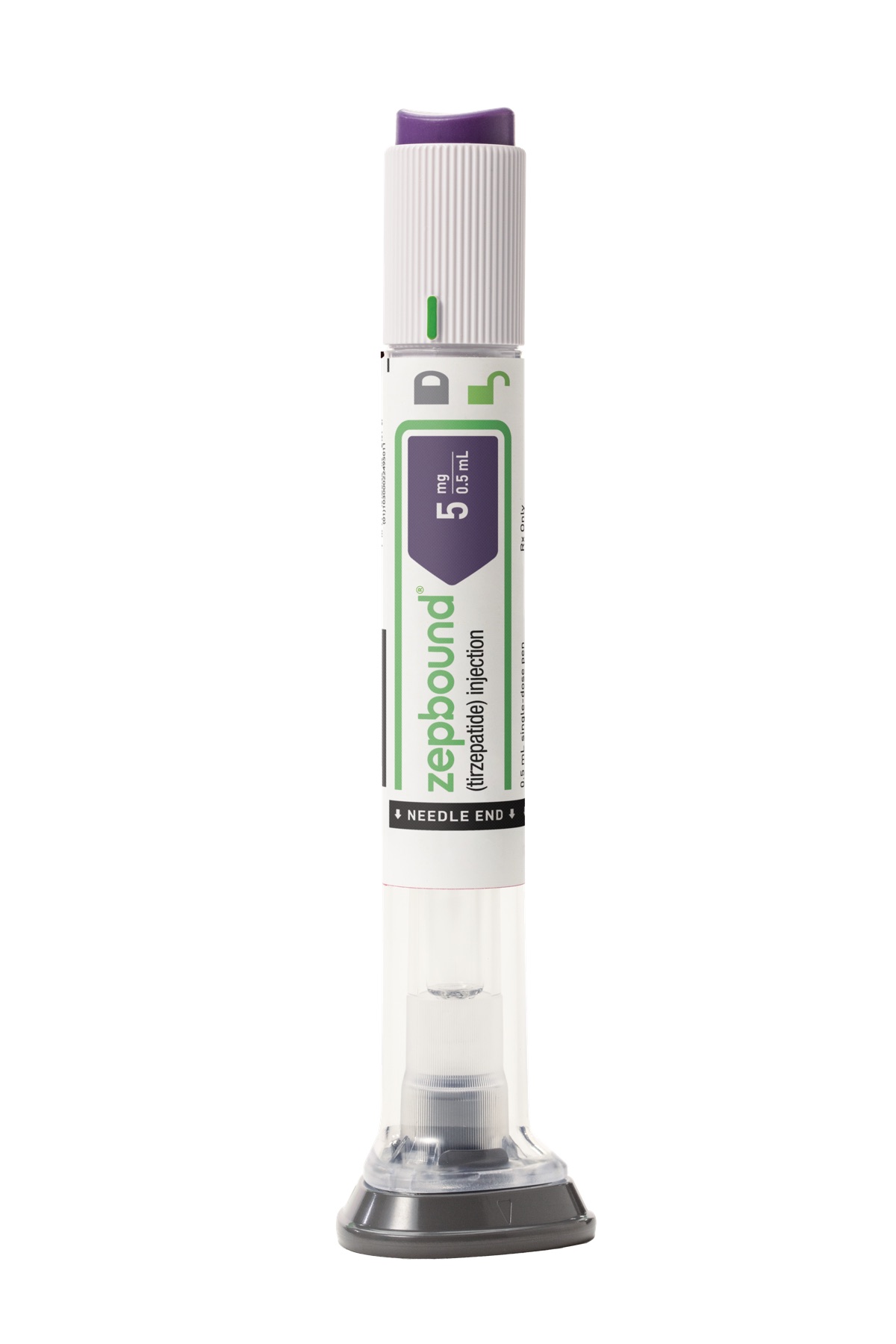
Eli Lilly reported $23 billion in second quarter revenue, an increase of 48 percent from a year earlier. Mounjaro generated about $9.9 billion and Zepbound generated about $4.9 billion. Lilly raised its full year revenue forecast to between $85 billion and $87 billion.
Novo Nordisk reported 7 percent adjusted sales growth at constant exchange rates and said the Wegovy pill had surpassed 265,000 weekly prescriptions by July 17. But CagriSema failed to control glucose as well as tirzepatide in a comparative diabetes study, adding pressure to Novo's next generation obesity portfolio.
Novo Nordisk continued to grow
Novo Nordisk's adjusted sales increased 7 percent at constant exchange rates. The company said the Wegovy pill had exceeded 265,000 weekly prescriptions by July 17 and had generated more than five million prescriptions since launch.
Novo also reported that CagriSema did not control blood glucose as well as tirzepatide in a comparative study in type 2 diabetes. The result affects one of the company's main follow on products as it competes with Lilly's expanding portfolio.
Mounjaro and Zepbound generated nearly $15 billion combined
Eli Lilly second quarter 2026 revenue
Total company revenue increased 48% from a year earlier
Source: Eli Lilly second quarter 2026 results. Figures are rounded.Lilly raised its full year forecast
Lilly increased its 2026 revenue forecast to between $85 billion and $87 billion. The company attributed the quarter's growth mainly to higher volume for Mounjaro and Zepbound, partly offset by lower realized prices.
The company has also completed the phase 3 data package for retatrutide, an experimental medicine that targets three metabolic hormone pathways, and plans to begin regulatory filings in the first quarter of 2027.
Access and continued use remain constraints
Demand for obesity medicines continues to be affected by insurance coverage, out of pocket cost, supply and treatment discontinuation. Both companies are expanding manufacturing and offering direct purchase or savings programs in the United States.
The market is also moving beyond the current injectable products. Oral medicines, higher dose formulations and combination therapies could change prescribing patterns as additional clinical results and regulatory decisions become available.
Reporting sources
BioPharma Docket analysis is based on the linked primary documents and reporting. No source text has been reproduced.